

BIOMETRIC EXIT TRACKING

This legislative proposal would mandate the completion of a biometric exit-tracking system at all air, land, and seaports so that future administrations must complete and operate the system. The system would cost approximately $1 billion to build, with ongoing net costs of about $70 million per year. The creation of an entry-exit system to deter visa overstays was first required by Congress thirty years ago, in 1996, and has been mandated and updated several times since—under both Democratic and Republican administrations—without being finished.

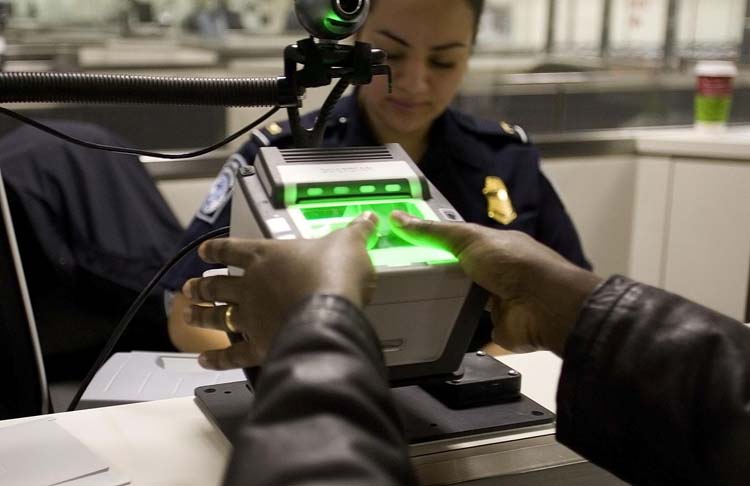
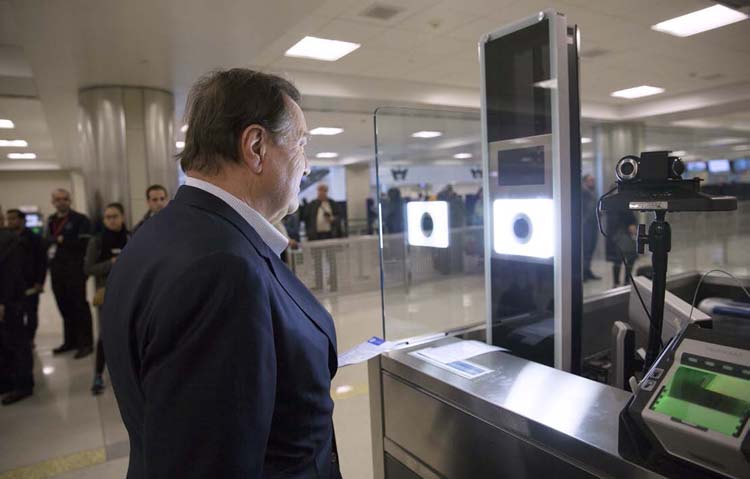
Currently, the US government successfully collects biometric data—digital fingerprints, facial photographs, and sometimes eye scans—for virtually every foreign national upon arrival at air and seaports. The government also collects this biometric data for pedestrians, temporary workers, and students at land borders. The government has been far less effective at collecting the same data to confirm the exit of legal immigrants. Consequently, we have incomplete information on which immigrants are in the country at any given time, or which non-citizens failed to depart when their temporary stays expired, making enforcement against overstays difficult.
Read More

Biometric matching at air and seaports based on required manifests filed by air and sea carriers was implemented in the late 1990s, and the creation of US-VISIT in the 2000s allowed for biometric entry collection at those ports. A biometric component was added to the law in 2001 after the 9/11 attacks. Biometric exit pilots were established in airports during the 2010s, and some biometric entry and departure controls at land borders were implemented more recently. In 2025, the Trump administration issued a new rule to allow for the collection of various forms of biometrics at all ports of entry, and the country is getting closer to the system Congress envisioned in the 1990s, but it is still incomplete. More historical background can be found here.

The Case For

Supporters argue that an exit-tracking system is necessary to ensure the integrity of the immigration system. To build public trust and enhance national security, they contend, the government should know which immigrants are in the US at any given time. Collecting biometric data on those who leave would give enforcement a far more accurate picture of who has actually overstayed, helping locate them and facilitate their return before they put down deeper roots—and helping target those who may pose a security or criminal threat discovered after entry.

Supporters observe that the best available evidence indicates that over 40 percent of those here illegally entered legally and overstayed a visa (the vast majority of which are short-term tourist, business, or student visas). They argue that the $1 billion to build and $70 million in annual ongoing costs is a wise investment, particularly when compared to the $45 billion being spent to stop the other 60% of the undocumented population by completing the border wall. Supporters note that the investment is made even more useful by the interior-enforcement funding in the OBBBA.

Above all, supporters argue, only a binding mandate will finish a job left undone for decades. Congress has ordered an entry-exit system repeatedly since 1996, but it has stalled because the land borders, where most crossings occur, were never built for exit checks and because priorities shifted from one administration to the next. What is different now is that facial recognition and other technologies have made biometric exit workable—already largely operational at airports and seaports—and a 2025 federal rule has extended it to every port of entry. A statutory mandate would lock in that progress so a future administration cannot abandon it.

The Case Against

Opponents argue that mandating a biometric exit system ignores physical realities. Unlike entry processing, which occurs in centralized customs halls, US airports and land borders were never designed for outbound security checks. Opponents observe that adding biometric checks at land crossings in particular—which the system still lacks and which the government estimates will take several more years and substantial additional spending to complete—risks creating bottlenecks that harm commerce and tourism. The decades of unfinished mandates, they argue, reflect not a lack of political will but the genuine operational difficulty of inspecting departures at borders never built for it.

They argue that a new mandate does not make that problem any easier to solve. Critics also point out that confirming someone left does nothing to physically remove those who stay. Simply generating an accurate ledger of overstays, they argue, is of little use without the interior enforcement resources needed to locate and deport them, making the system an expensive half-measure absent that follow-through.