MAKING OBBBA’S BORDER DETECTION TECHNOLOGY PERMANENT

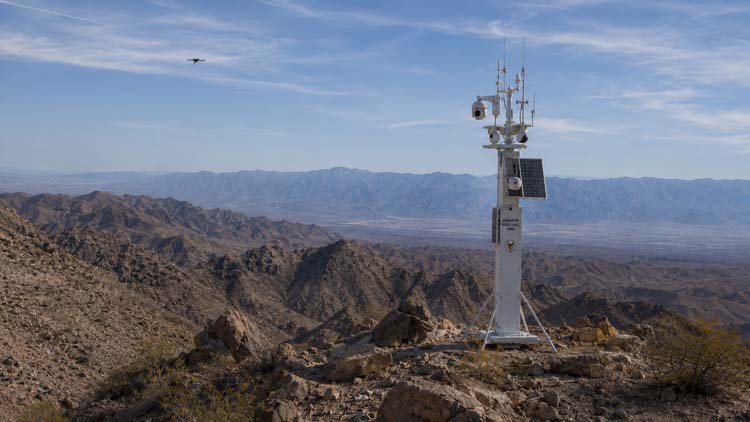
A second border security proposal would pass policy legislation to make OBBBA’s free-standing border detection technology durable across future administrations. OBBBA appropriated roughly $5.5 billion for this technology between ports of entry along the southern border — the Autonomous Surveillance Towers, mobile surveillance systems, counter-drone systems, small unmanned aerial systems, and air and marine surveillance assets described in the first proposal.

This proposal would make OBBBA’s free-standing border technology aspects legislative policy that future administrations could not redirect or abandon.

The proposal does not affect the other parts of OBBBA’s wall and infrastructure system, leaving those as funding provisions rather than permanent policy.

The Case For

Supporters argue that OBBBA’s free-standing border detection technology specifically deserves to be made permanent through policy legislation because this approach to border security has the broadest bipartisan support. Advocates cite the 2024 Senate bipartisan border bill — the Emergency National Security Supplemental Appropriations Act, negotiated by Senators Lankford (R), Sinema (I), and Murphy (D). It emphasized free-standing detection technology rather than the construction of new physical barriers. Although the bill ultimately failed, supporters argue it demonstrated that the technology-focused approach commands cross-party support that physical barriers do not for compelling reasons. They argue that the technology approach is the most practical one for the difficult terrain of the remaining stretches that don’t already have a physical barrier. Advocates also argue that the technological approach has a bigger border security bang for the buck than additional physical barriers on tough terrain. Proponents note that these advantages of the technological approach are further evidenced by the fact that Border Patrol leadership has also long advocated for this approach to increase border security.

Supporters also argue that policy legislation is the right vehicle for protecting capabilities of this importance. The OBBBA appropriations can be redirected by future administrations. Converting the appropriation into ongoing policy requirements protects an operational backbone that has been built up over years.


The Case Against

As with many compromise proposals, this one draws opposition from both sides — those who think it doesn’t do enough and those who think it does too much.

Too Little

Opponents who think it doesn’t do enough argue that the proposal gets the priorities backwards. The physical barrier is the foundation of border security, and detection technology complements it. They argue that locking in only the technology while leaving the wall and infrastructure system subject to administrative discretion makes the wrong part of OBBBA permanent.

vs
Too Much

Opponents who think it does too much argue against locking in any of OBBBA’s border wall and technology system as permanent policy. Appropriations can be reversed or redirected by future administrations responding to changing circumstances; statutory mandates are much harder to undo. Making border enforcement technology durable through policy legislation forecloses that flexibility. These opponents also make the same civil-liberties arguments about Autonomous Surveillance Towers and AI-driven detection that opponents of making all of OBBBA’s border wall and technology system make.